
- Home
- Products
- About Us
- OEM&ODM
- News
- Contact Us
 USB C Docking & Hub
 USB C Docking Station
 USB C Hub-H Series
 USB C Hub-H Series High End
 USB C Hub-X Series High End
 HDMI Cable
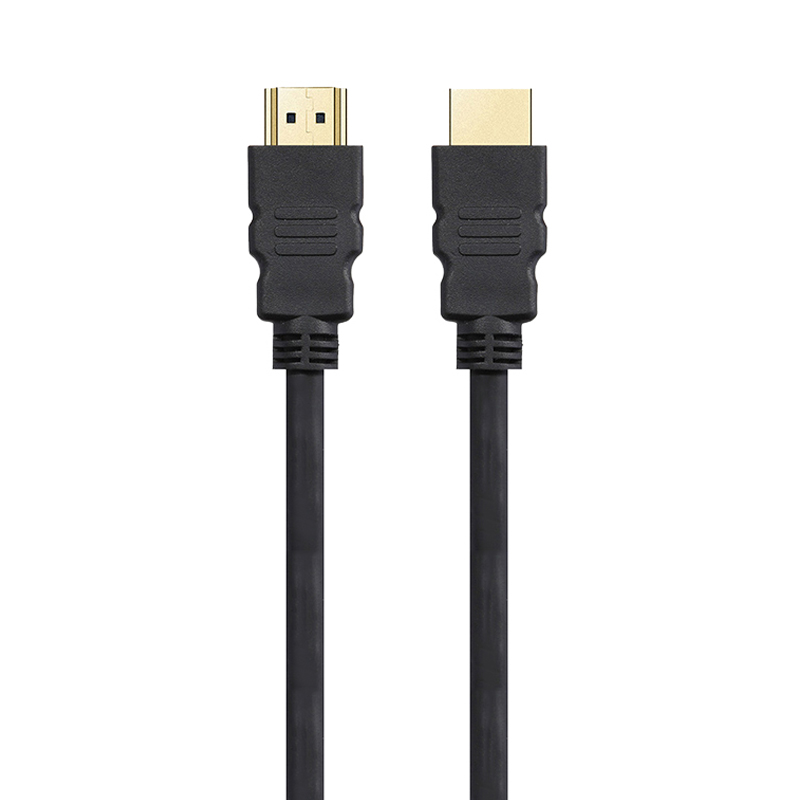 4K HDMI Cable
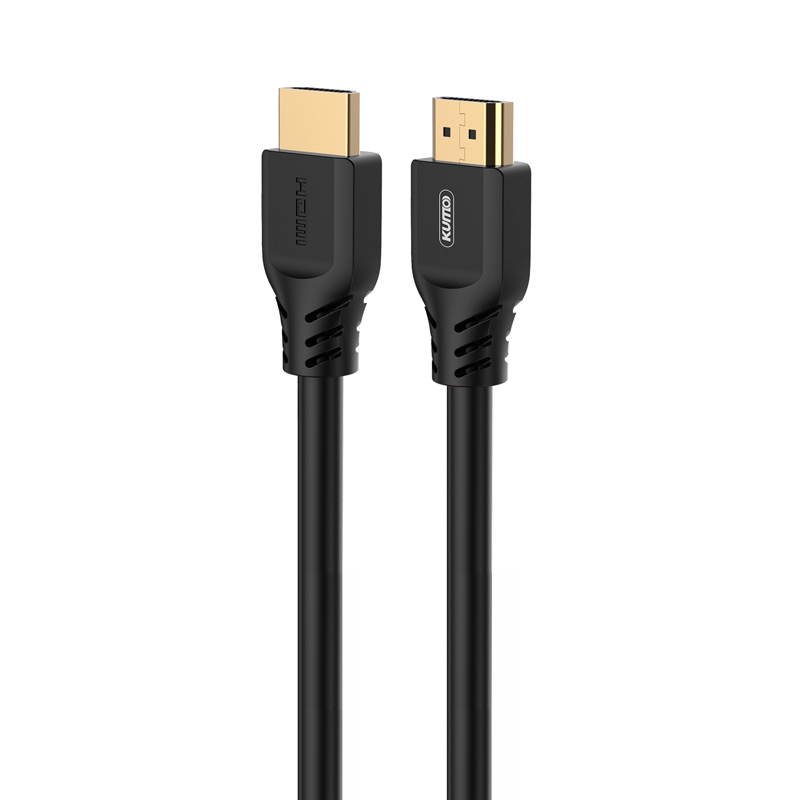 8K HDMI Cable
 16K HDMI Cable
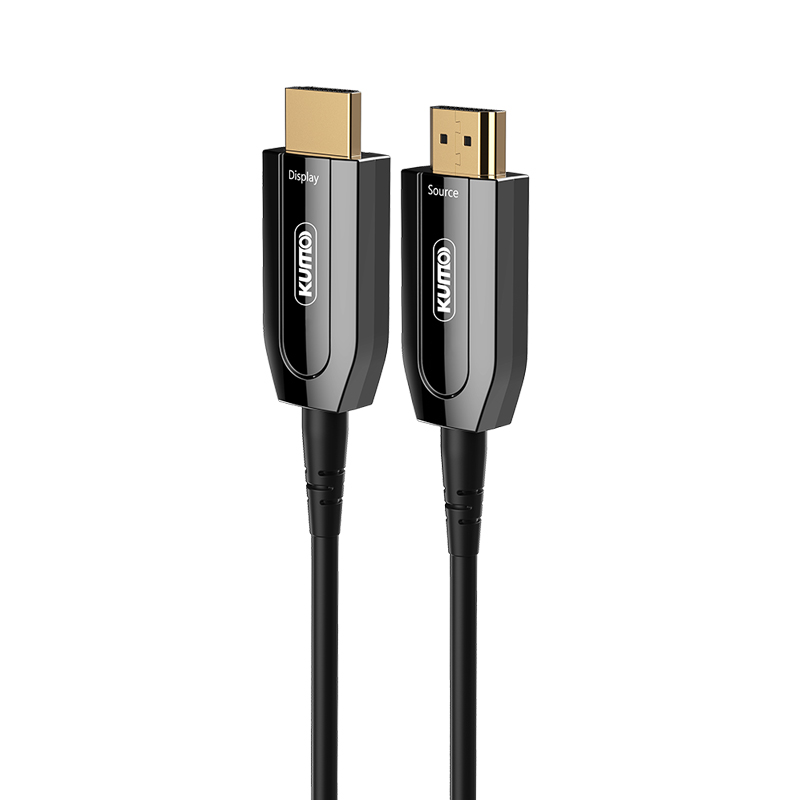 AOC HDMI Cable
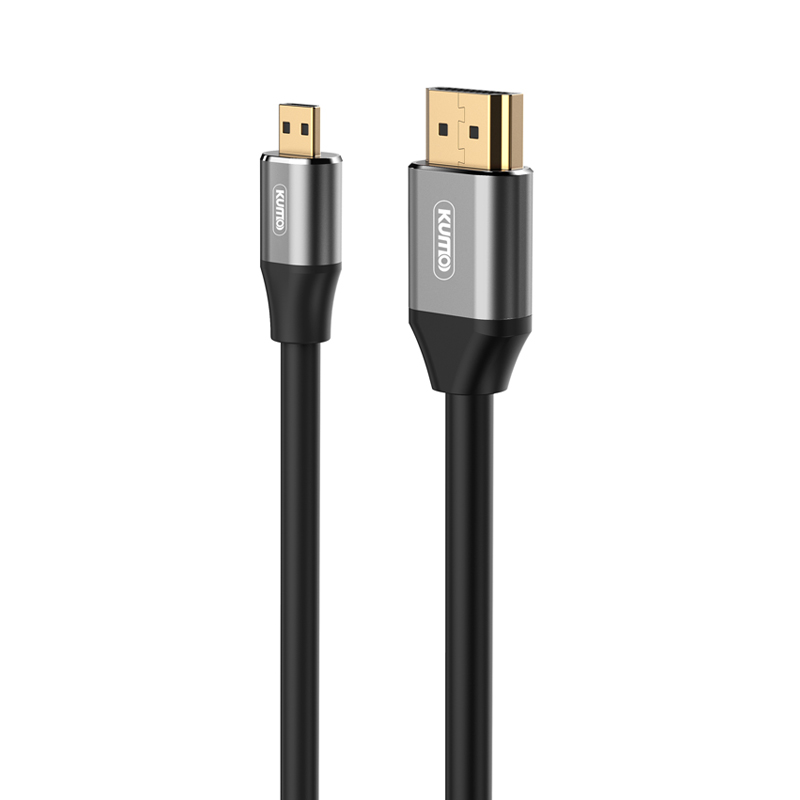 HDMI Conversion Cable
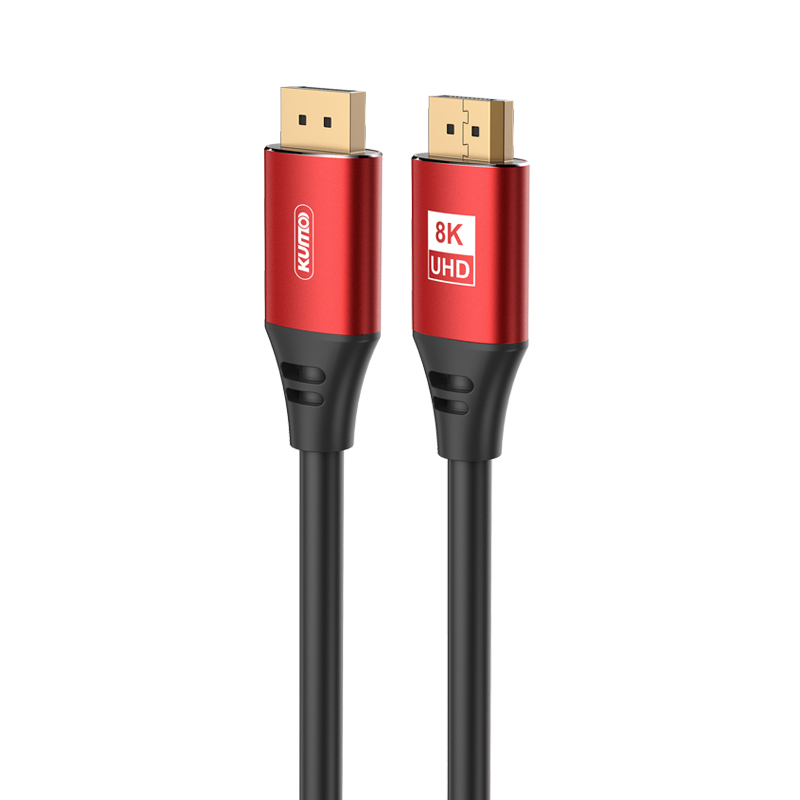 8K DisplayPort Cable
 16K DisplayPort Cable
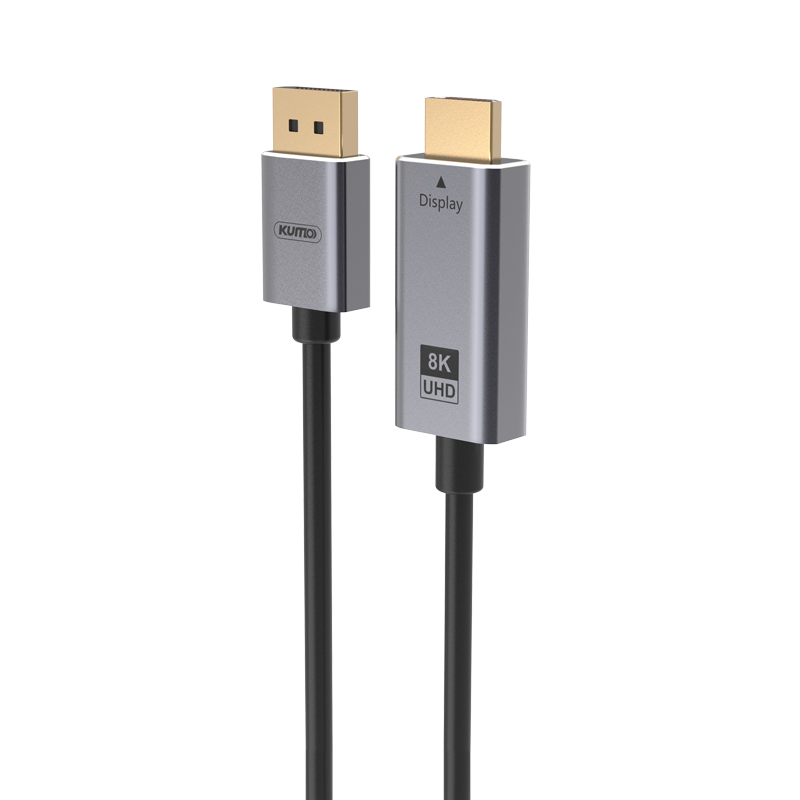 DisplayPort Conversion Cable
 XLR Cable
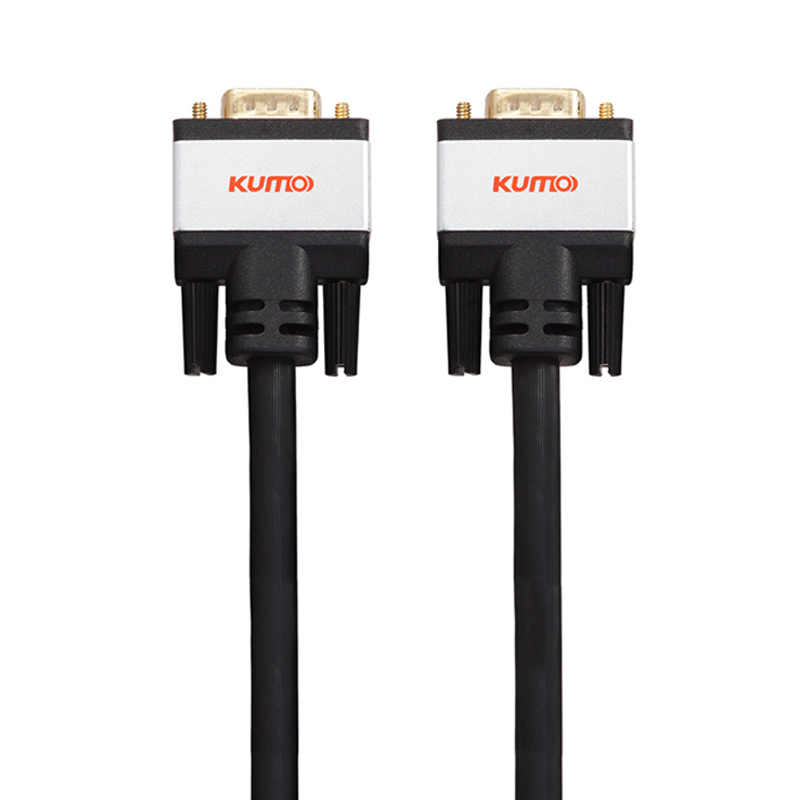 VGA Cable
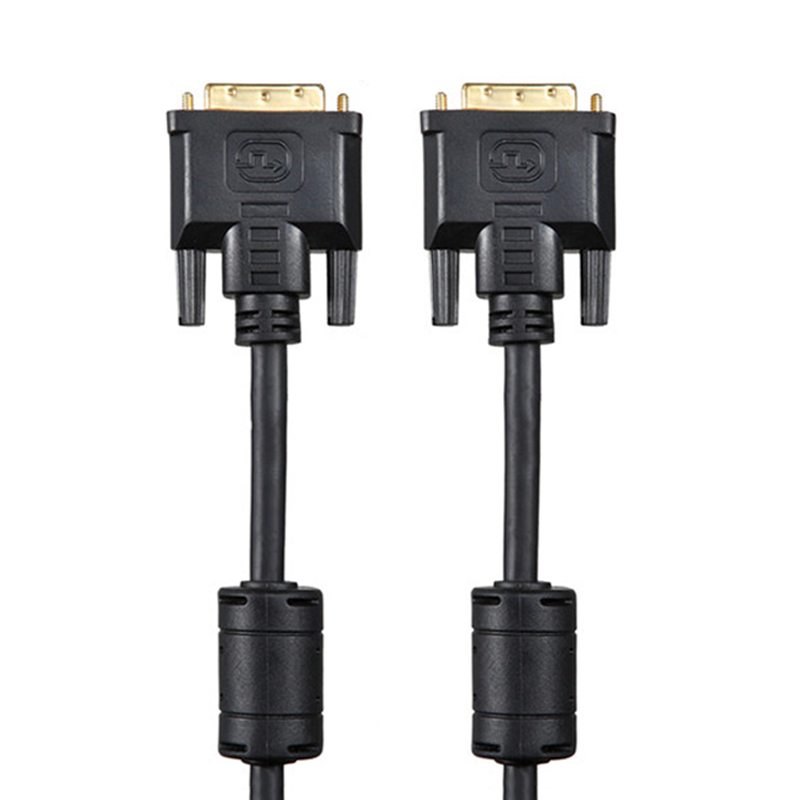 DVI Cable
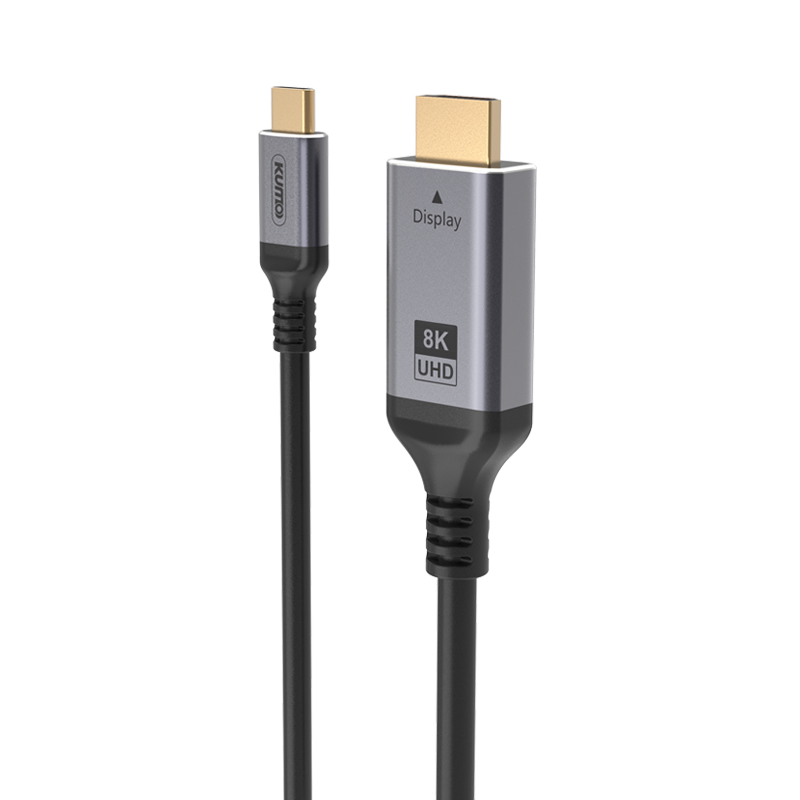 Type C To HDMI
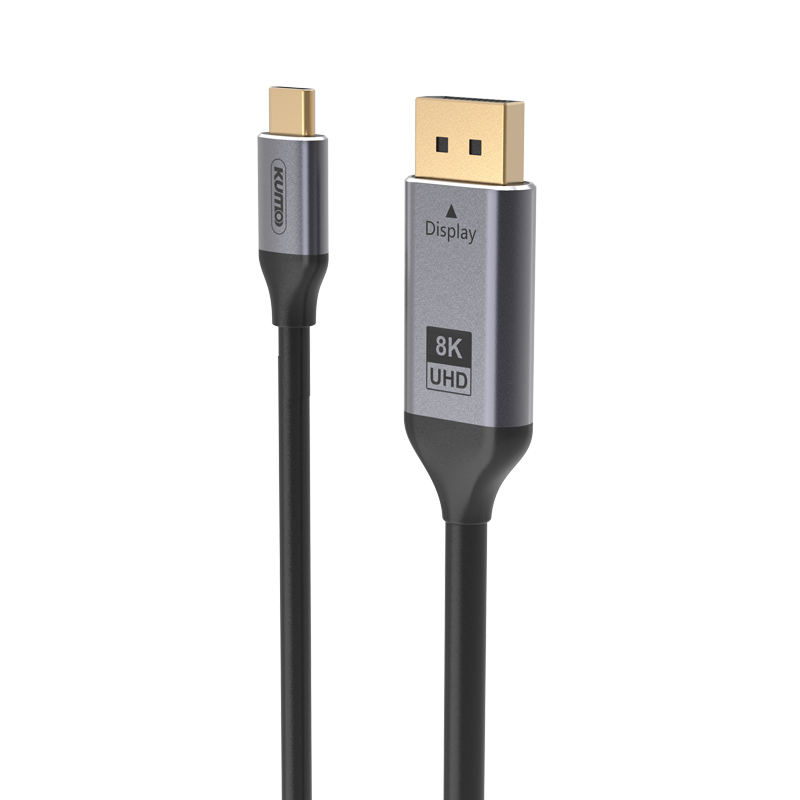 Type C to DP
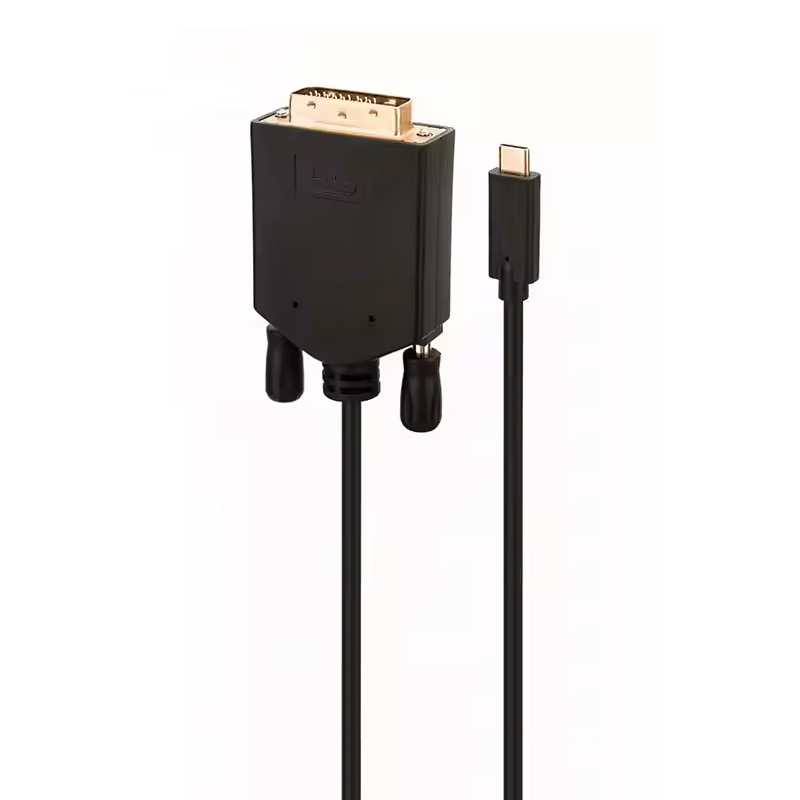 Type C to DVI
 Type C Adapter
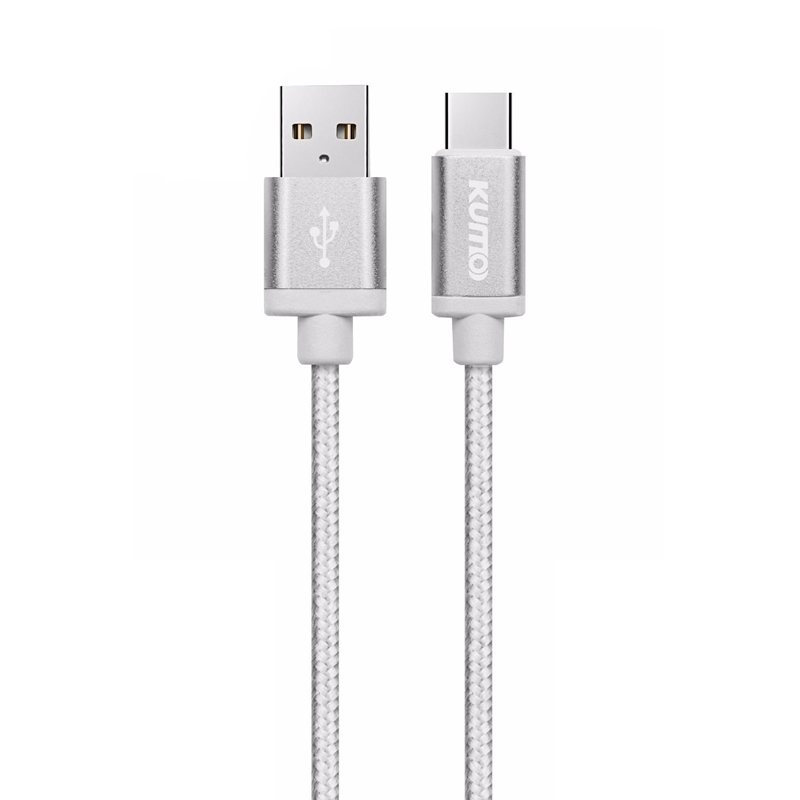 USB A to C Cable
 USB C to C Cable
 Micro USB Cable
 USB4 Cable
Inquiry
Form loading...
You know, the way USB hubs for MacBooks have developed lately is pretty impressive, especially with all the remote work and digital connectivity that seems to be taking over our lives. I mean, can you believe that around 70% of professionals across the globe are on their computers every single day? It's wild! So, having reliable and versatile ways to connect your devices is super important. That’s why a good USB hub has become a must-have for MacBook users trying to make the most out of their machines. And get this: recent reports suggest that the demand for high-quality USB hubs for MacBooks is expected to grow by more than 15% each year. That really shows how the tech world is shifting, huh?
Since their start in 2007, Zhongshan Sinseader Electronic Co., Ltd. has been leading the charge in this space, focusing on making USB hubs, docking stations, and other computer gadgets that we all kinda need. They've really made it their mission to keep up with the fast-paced changes in our digital lives, and the quality of their products speaks for itself. In our little journey exploring the world of USB hubs for MacBooks, we’ll dive into the tech advancements that have influenced how these hubs look and work, and we’ll also check out how global supply chains are keeping up with this growing demand for these essential tools.

You know, the way USB hubs have developed in MacBook tech really shows how far we’ve come in making our portable devices more connected and versatile. When Apple first started out, they really went for that minimalist vibe, keeping ports to a bare minimum. Remember the early MacBooks? They came with those basic USB 2.0 ports that did the job, but let’s be honest, they were pretty limited when it came to hooking up external gadgets. But as people started wanting more from their devices, Apple realized they needed to step it up.
Then we got introduced to USB 3.0, and wow, what a game changer! Suddenly, MacBooks were zipping data transfers faster than ever and delivering power like a champ. This upgrade really enhanced the whole user experience and led to a surge of cool multi-port USB hubs hitting the market. These new hubs had all sorts of features—think HDMI outputs, Ethernet connections, and even power pass-through. They made life so much easier for folks using multiple devices at once.
Fast forward a bit, and Apple jumped on the USB-C train, which totally transformed how MacBooks connect to everything. That sleek, reversible connector? Total genius! It allowed for even slimmer MacBook designs while also making things way simpler for us users. Naturally, this led to a flood of different USB-C hubs, all designed to meet various needs—there are options for those who need something super portable and others for the heavy-lifters in workstation setups. So, the evolution of USB hubs in MacBook tech isn’t just about keeping up with what users want; it also shows how the whole world of tech and consumer electronics is constantly changing and adapting.
You know, the world of USB hubs that work with MacBooks has really come a long way over the years. It's mostly thanks to all the tech advancements and the way we've come to understand what users actually need. When USB hubs first hit the scene for MacBooks, they were pretty basic—just extra ports without much thought put into how they'd look or function. But with everyone needing more connectivity, especially with the rise of remote work, manufacturers got to work innovating. They started adding cool features that make using them a lot better, all while keeping that sleek style that Apple is known for.
One major thing that's changed is how multifunctional these hubs have become. Nowadays, a lot of USB hubs come loaded with a bunch of connections—like HDMI, Ethernet, and SD card slots. This means you can hook up multiple devices without any hassle, which is a game-changer for MacBook users juggling everything from office work to streaming their favorite shows. Plus, with USB-C technology getting better and better, those hubs are now delivering faster data transfer speeds and improved power delivery—perfect for all those power users out there.
And let’s not forget about how they're focusing on ergonomics and portability these days. Many of the newer USB hubs are super lightweight and compact, making them perfect for folks who are always on the move. Their sleek designs look great with a MacBook and they’re easy to toss in a bag without feeling like you're carrying something heavy. On top of that, the quality and durability have really stepped up. These hubs can handle everyday wear and tear while still feeling premium. All these upgrades really show that companies get what MacBook users want, leveling up these USB hubs as must-have accessories in our digital world today.
You know, the global supply chain has really changed a lot lately, especially when it comes to the production and distribution of USB hubs for MacBooks. With so many people working from home, the need for connectivity is just through the roof! In fact, experts say that the USB hub market is poised to jump from about 3.7 billion bucks in 2021 to a whopping 5.7 billion by 2026. That’s a pretty impressive growth rate of 8.6%! But with all this demand, it’s putting a huge strain on supply chains, and manufacturers are scrambling to keep up.
One big shift we’re seeing in how these USB hubs are being made is a broader approach to sourcing. Companies are starting to lean on multiple suppliers from different parts of the world to avoid the risks of relying on just one source. For example, USB hub manufacturers are getting their parts from places like Asia, Europe, and North America. This way, they can create a more robust supply chain that can handle any hiccups that come their way. A 2022 study by Deloitte even pointed out that almost 60% of electronics makers are ditching the single-supplier model for a more multi-supplier strategy to boost their resilience.
Additionally, technology is playing a huge role in making supply chains more efficient. With the Internet of Things (IoT) and real-time analytics, manufacturers can keep an eye on their supply chain performance, which helps them react more quickly to changes. According to a report from McKinsey, companies that embrace smart supply chain management can actually see lead times cut by up to 30%! In a fast-paced market like electronics, that’s a game changer.
As the demand for USB hubs keeps rising, thanks to evolving consumer habits and tech advancements, understanding how global supply chains work is key for manufacturers looking to stay ahead. With the right moves, the production of USB hubs for MacBooks is definitely going to keep evolving, adapting to whatever twists and turns the global market throws our way.

You know, the way USB hubs are evolving for us MacBook users has really taken off lately. It’s kind of exciting to see, especially as the global market for these hubs is set to jump from around $602.62 million this year to an eye-popping $1,144.89 million by 2032. That's a serious upgrade! One of the coolest trends is how these hubs are now multifunctional. Take Microsoft’s new Audio Dock, for instance. It’s not just a USB hub; it packs great audio quality, making it perfect for meetings or just chilling out with some tunes.
And then there’s the Dell Pro 34 Plus, which is a USB-C hub monitor featuring this massive 34.1-inch ultrawide curved display. Talk about a game changer for productivity! It’s really aimed at folks like us who want to boost our efficiency and juggle multiple devices seamlessly.
On top of that, Apple’s been making some interesting moves lately, like the new Apple Pencil that’s now USB-C, but there are some features missing that have folks scratching their heads. It’s a fine line manufacturers have to walk, balancing innovation with what we actually want. As MacBook users, we’re always on the lookout for accessories that can help us unleash our creativity and get work done more effectively. No doubt, USB hubs are going to be key in making the most out of our devices.

You know, it’s become pretty clear that there are some serious hiccups in the supply chain for USB hub components. A bunch of different factors are really messing with production and distribution these days. For one, research shows that a lot of device firmware, including that of USB hubs, is kinda shaky because many updates out there aren’t signed. This leaves them wide open for exploits, which is not great news for security. It’s not just about keeping our devices safe, but it also brings up questions about how reliable the components are across the board, especially with laptops these days, as manufacturers are really pushing to boost compatibility and performance.
In the last few months, manufacturers have been dealing with a ton of challenges. We’ve seen crazy fluctuations in component availability, and that's mostly due to geopolitical tensions and some serious environmental disasters. Like, did you hear about that earthquake in Taiwan? That’s a biggie! It can mess up supply chains not just for one big player, but for a whole network of companies in the semiconductor game. No wonder the supply chain for USB hubs and MacBook parts is under so much pressure!
Industry reports are saying that because of all these ongoing issues, many companies are starting to rethink their sourcing game. Diversifying suppliers seems to be the name of the game now — it’s all about reducing risks and trying to keep those quality components flowing smoothly.
On top of that, quality concerns have a lot of the leading tech brands really digging into their supply chains. There have been some reports floating around that defective parts, like bearings for MacBook assembly, led to fewer supplies being ordered. It’s a tough market out there, where reliability and performance are everything. As USB hubs become more and more essential for keeping our devices productive, addressing these supply chain vulnerabilities is going to be key for manufacturers to stay competitive and ensure they’re delivering safe, top-notch products to us consumers.
You know, the shift to USB Type-C has really shaken things up in the MacBook world, making it a leader in today’s connectivity scene. With the European Union pushing for a standard charging port that works for everything from smartphones to laptops, it’s clear that this impacts USB hubs in MacBooks quite a bit. Plus, there's this buzz around USB4.0, which is out there promising super-fast data transfer speeds and boosting our productivity levels. A report from the International Telecommunication Union suggests that as companies aim for better efficiency and compatibility in their global supply chains, more folks are jumping on the USB4.0 bandwagon.
Looking ahead, everyone is buzzing about new MacBook models that are supposed to come packed with really advanced processors and snazzy graphics, which means there’s going to be a growing need for those innovative USB hubs. So, when 2025 rolls around, we can expect updates to bring hubs that play nicely not just with MacBooks but with all sorts of devices in our modern smart homes. This isn't just a whim—data from We Are Social is showing that people are really leaning into tech ownership and relying more on connected devices.
Also, the move to USB-C in the latest gadgets highlights a bigger trend in the industry. It’s all about making things compatible and cutting down on electronic waste. As things get simpler, I wouldn’t be surprised if USB hubs turn into more than just simple connectors; they might become multifunctional tools that really enhance how we use our devices. With standards becoming more unified, and people wanting efficiency, we're likely going to see some cool innovations in USB hub design and features in the MacBook space for quite a while.
You know, making USB hubs for MacBooks is really important for connecting users and boosting their productivity. But it also brings up some big sustainability issues, which can’t be ignored. As our global supply chains keep changing, it’s becoming super clear just how crucial it is to adopt eco-friendly practices. Think about it—the production and disposal of these gadgets lead to major concerns about electronic waste, or e-waste as it’s often called. This issue doesn’t just affect one corner of the world; it’s a global challenge that hits both rich and developing countries alike.
To tackle the problems that come with climate change tied to e-waste, manufacturers really need to step up. They should look for ways to produce USB hubs that are more sustainable. That could mean using eco-friendly materials, cutting down on energy use during manufacturing, and maybe even starting take-back programs that safely recycle or reintegrate old devices. If companies focus on designing products that are easier to repair and recycle, they can really shrink their environmental impact and help prolong the life of electronic parts.
Plus, working together in the global supply chain can really boost these sustainability efforts. When manufacturers team up with suppliers who care about green practices and start sharing ideas across the industry, they can tackle the e-waste challenge much more effectively. Moving towards a circular economy—where we reuse and recycle resources instead of just tossing them out—is absolutely essential to lessen the negative effects of climate change. We need to make sure that the cool tech we enjoy today doesn’t come at a huge cost to our planet.
You know, the way people are demanding consumer tech these days has really shaken things up for USB hubs made for MacBooks. It's pretty clear this is part of a bigger picture in the global supply chain. A report from Market Research Future suggests that the USB hub market could grow by about 8.5% each year from 2021 to 2027. What’s driving this? Well, it’s mainly because we’re all getting more reliant on using multiple devices at once—especially MacBook fans who need more ways to connect their gadgets and external displays without a hitch.
Recently, folks seem to really want hubs that not only offer a bunch of different ports but also come packed with features like fast charging and high-speed data transfer. A survey from Tech Insights showed that a whopping 70% of MacBook users are all about speed and efficiency when they’re on the hunt for a USB hub. So, it’s clear manufacturers need to step up their game to keep up with these expectations! The buzz around hubs that work with USB-C has shot up too, especially since MacBooks have made the shift to USB-C ports. According to data from the Consumer Electronics Association, USB-C devices have taken off, making up over 60% of accessory sales just last year.
On another note, being eco-friendly is super important to a lot of consumers nowadays. A report by EcoChain found that more than half of consumers—54%, to be exact—are actually ready to shell out extra money for products that are better for the planet. Because of this, USB hub makers are stepping up and adopting greener practices, like using recyclable materials and fine-tuning their logistics to cut down on their carbon footprints. This whole trend really shows how what consumers want isn’t just about innovation; it’s also pushing companies to be more responsible. In the end, we’re seeing a market for USB hubs that’s not only more consumer-focused but also more sustainable, which is pretty cool!
Apple's initial approach focused on minimalist design, integrating only a limited number of USB 2.0 ports that provided basic functionality for peripheral devices.
The introduction of USB 3.0 significantly upgraded data transfer speeds and power delivery capabilities, which improved user experience and led to the emergence of more sophisticated USB hubs in the market.
Modern USB hubs often include multifunctional ports such as HDMI, Ethernet, and SD card slots, allowing users to connect multiple devices seamlessly and cater to diverse needs.
The adoption of the USB-C standard revolutionized MacBook connectivity by providing a sleek, reversible connector that simplified user experience and led to the development of a variety of USB-C hubs tailored for different user needs.
Key trends include a focus on ergonomics and portability, with many USB hubs designed to be lightweight and compact, while also using durable materials to withstand everyday use.
The global USB hubs market is projected to grow significantly from USD 602.62 million in 2023 to an estimated USD 1,144.89 million by 2032, reflecting increasing sophistication in their features.
An example is Microsoft's Audio Dock, which combines a USB hub with high-quality audio capabilities, catering to both meetings and leisure activities.
The Dell Pro 34 Plus, a USB-C hub monitor with a 34.1-inch ultrawide curved display, enhances productivity by allowing seamless connectivity and expansive visual workspaces.
As users seek accessories that facilitate their creative and professional endeavors, manufacturers must balance innovation with user expectations to ensure that their products meet practical demands while still offering advanced features.
USB hubs are essential accessories that enable more streamlined and efficient use of devices, catering to the diverse connectivity needs of MacBook users for both personal and professional tasks.


