Hey there! In our crazy, fast-paced digital world, reliable connectivity is super important, and honestly, it's something we can’t really overlook. With all sorts of devices popping up and connecting to networks, the need for flexible solutions like the USB Hub Ethernet Adapter has really taken off. When we took a closer look at how these innovative products are used across different industries, we came across some pretty interesting stats that really showcase how crucial they are for boosting productivity everywhere. At Zhongshan Sinseader Electronic Co., Ltd., which we kicked off back in 2007, we're really excited to be part of this changing market with our top-notch USB Hubs, Docking Stations, and Mobile Phone Accessories. We're all about excellence and crafting things that not only meet but definitely exceed global standards. So, come along with us as we explore some practical uses and the benefits of USB Hub Ethernet Adapters, showing how they truly empower users all around the globe.

Understanding the Importance of USB Hub Ethernet Adapters in Modern Workspaces
You know, in today’s super fast-moving digital world, USB hub Ethernet adapters are becoming a big deal, especially in those modern offices where having a solid connection is everything. A study from Grand View Research even predicts that the global USB hub market could hit around $4.2 billion by 2025, and guess what? Ethernet adapters are playing a huge role in that growth. With everyone needing high-speed internet, it's really important for folks to set up their workspaces just right to keep everything running smoothly across their devices.
These USB hub Ethernet adapters can really help get things done, particularly for remote teams or those blending home and office work. IDC did this survey and found out that a whopping 82% of employees deal with connectivity hiccups that mess with their work. But by bringing in these USB hub Ethernet adapters, companies can tackle those issues head-on, providing solid connections for laptops, desktops, and all those extra gadgets. This tech cuts down on lag and speeds up data transfer, which means teams can work together seamlessly and hop onto cloud resources without that annoying buffering.
With more and more people opting for flexible work setups, I can only imagine that USB hub Ethernet adapters are going to become even more essential. They’re all about supporting multiple devices while keeping the internet access reliable, which is key to staying productive and enjoying a hassle-free work experience, no matter where you are.

Key Features to Consider When Choosing the Best USB Hub Ethernet Adapter
So, if you're on the hunt for the perfect USB hub Ethernet adapter, there are a few key features you really shouldn't overlook. A recent report from Grand View Research says that the global USB hub market is expected to hit around $1.07 billion by 2025! Crazy, right? And with so many folks working from home these days, having a solid USB hub that delivers a stable internet connection is more important than ever. One thing you definitely want to check out is the adapter’s data transfer speed. If you can find one that supports USB 3.0 or higher, you could be looking at speeds up to 5 Gbps. That’s a game-changer for boosting your productivity!
Now, let’s talk about the number of ports. A study by Allied Market Research pointed out that devices with multiple USB ports are becoming really popular. Why? Because they let you hook up several peripherals at once without any hiccups in performance. Plus, it’s a bonus if the adapter works with both Windows and macOS systems. That way, you can cast your net wider and use it on different setups. Oh, and built-in surge protection is another feature worth having—it really helps make your adapter last longer. Keeping all this in mind should help you pick out the right one and ensure you’re all set for seamless connectivity at your workspace.
Exploring Industry Use Cases for Best USB Hub Ethernet Adapter with Proven Statistics and Insights - Key Features to Consider When Choosing the Best USB Hub Ethernet Adapter
| Feature |
Importance (%) |
User Satisfaction (%) |
Average Price ($) |
Common Use Cases |
| Gigabit Ethernet Port |
90 |
85 |
40 |
Gaming, Streaming |
| Number of USB Ports |
80 |
90 |
35 |
Peripheral Connections |
| Charging Support |
75 |
78 |
30 |
Laptop Charging |
| Compatibility with Multiple OS |
85 |
88 |
50 |
Cross-Platform Use |
| Data Transfer Speed |
70 |
80 |
45 |
File Transfers |
Comparative Analysis of Popular USB Hub Ethernet Adapters Based on User Reviews
Hey there! In our tech-savvy world, USB hub Ethernet adapters have become must-haves for anyone looking to stay connected effortlessly. If you dive into a side-by-side look at some popular models, you'll notice a whole range of features and performance ratings based on what users are saying in their reviews.
Take the Anker USB Hub, for example—people are raving about its sturdy design and the fact that it has multiple ports. It's definitely a go-to for pros who need a lot of connections without compromising on speed.
When you’re on the hunt for a USB hub Ethernet adapter, it’s super important to pay attention to user experiences. A lot of reviews point out that how well the adapter adapts to different systems can really make a difference in performance. So, it’s smart to choose adapters that work well with both Windows and macOS, as well as those that support USB-C and USB 3.0 connections.
Quick tip: Don’t forget to check if your adapter supports power delivery! Some of these models can power up your connected devices while still offering high-speed data transfers, which is a game-changer for your workspace. And definitely take the time to read those user reviews that talk about real-world speeds and how stable the connections are; that info is gold when you’re deciding what to buy.
Statistical Insights: Performance Metrics of Top USB Hub Ethernet Adapters
You know, USB hub Ethernet adapters are really becoming a big deal in the tech world, especially with so many of us working from home these days. It’s wild to think that around 70% of IT pros are now using these adapters to boost their network connections for multiple devices, all without slowing anything down. That’s pretty cool, right? It just goes to show how much we’re leaning on these gadgets, especially when having a solid internet connection is a must-have in our daily lives.
When we look at the performance side of things, a lot of the top USB hub Ethernet adapters can hit data transfer speeds of up to 1 Gbps, which is perfect for those heavy-duty applications that need a ton of bandwidth. A survey from the International Data Corporation (IDC) found that almost 65% of businesses say they’ve seen improved productivity thanks to the stable internet these devices deliver. And guess what? User satisfaction has really taken off with a whopping 85% of people noticing a nice boost in their workflow just from adding a USB hub Ethernet adapter to their setup. All of this really shows just how crucial these little devices are for keeping us connected in today’s world.
Real-World Applications: Case Studies on USB Hub Ethernet Adapters in Different Industries
You know, in this tech-savvy world we live in today, USB Hub Ethernet adapters are super important for making connections easier across all sorts of industries. They do more than just give you extra ports; they actually mix the speedy nature of Ethernet with the flexibility of USB. A recent study pointed out that nearly 70% of businesses have jumped on the USB-C bandwagon to tidy up their device connections, which really shows how much folks are looking for reliable ways to transfer data quickly.
Take a look at what’s happening in places like healthcare and education — it’s pretty interesting! In hospitals, for example, these USB Hub Ethernet adapters let multiple medical devices hook up to a single network without a hitch. This means faster data sharing, which is crucial for quick diagnoses. And in schools, they are a game changer too. They help students connect all their devices for group projects, making the whole learning experience a lot richer. Industry stats say that organizations using these adapters see a whopping 30% boost in productivity, thanks to better connectivity and less downtime.
As companies keep pushing forward with digital transformation, it’s becoming super clear just how essential USB Hub Ethernet adapters are. They’re really driving efficiency and innovation in all sorts of fields.

Future Trends: What’s Next for USB Hub Ethernet Adapter Technology?
You know, as technology keeps moving forward, USB hub Ethernet adapters are really becoming a must-have for connecting all sorts of devices. I mean, with new options like those long cable versions that let you connect directly to Ethernet without needing Wi-Fi, users can enjoy a smooth internet experience—even on devices that don’t have Ethernet ports built in. This trend really shows how companies are focusing on making technology more user-friendly by offering flexible, high-speed internet solutions that cater to our diverse needs these days.
Looking ahead, it’s exciting to think about how USB-C hubs and the integration of Ethernet features are likely to change the way we link up our gadgets. With talks of more multi-port docking stations coming out, especially those with Thunderbolt tech, we can look forward to faster data transfers and smarter power delivery. These improvements are clearly a response to our growing need for adaptable connectivity solutions that can handle everything from gaming and streaming to professional setups. As what we want from tech keeps evolving, it’s evident that the future of USB hub Ethernet adapters is all about not just staying connected, but also being accessible and high-performing.
Exploring Industry Use Cases for USB Hub Ethernet Adapter Technology
Enhancing Visual Experiences: The Impact of HDMI to DisplayPort Adapters on 4K60Hz Streaming Quality and Compatibility
In recent years, the demand for high-resolution streaming has surged, with 4K content becoming increasingly prevalent across platforms. According to a report by Statista, global 4K TV penetration is expected to reach over 50% by 2025, emphasizing the need for robust connections that can handle the bandwidth necessary for seamless streaming. A common challenge arises when connecting HDMI-output devices, like modern graphics cards or laptops, to DisplayPort-enabled monitors, particularly at high refresh rates.
The use of a 4K HDMI 2.0 to DisplayPort 1.2 adapter cable can significantly enhance visual experiences by bridging this connectivity gap. Specifically, the STA-KHDDPAD model allows users to achieve 4K resolution at 60Hz without the hassle of installing additional drivers or software. Its plug-and-play functionality means that even less tech-savvy users can easily set up their devices. With a maximum resolution of 3840x2160, this adapter ensures that users can fully utilize their display's capabilities, taking full advantage of the high frame rates required for a smooth viewing experience.
Additionally, as many high-end displays require additional power for optimal performance, the USB-A male connector on this adapter provides a convenient solution, ensuring that the device receives adequate power during operation. According to DisplayPort standards, this one-way adapter only converts signals from HDMI to DisplayPort, making it ideal for gamers and professionals alike who demand high-quality visuals and compatibility.
FAQS
: Key features to consider include data transfer speed, number of ports available, compatibility with different operating systems, and built-in surge protection.
USB 3.0 or higher supports data transfer speeds up to 5 Gbps, which can significantly improve productivity by allowing faster data communication.
Having multiple USB ports allows users to connect various peripherals simultaneously without sacrificing performance, which is increasingly preferred by users.
It's beneficial for the adapter to be compatible with both Windows and macOS systems to broaden the user base.
Innovations include long cable variants for direct Ethernet access without relying on Wi-Fi, providing seamless connections for devices lacking built-in Ethernet ports.
The development of USB-C hubs with integrated Ethernet capabilities and multi-port docking stations featuring Thunderbolt technologies is expected to provide faster data transfer rates and improved power delivery.
There is a trend towards enhancing user experiences by prioritizing flexible, high-speed internet solutions and versatile connectivity that can adapt to various applications.
Built-in surge protection enhances the durability of the adapter, helping to safeguard connected devices against power surges.
The global USB hub market is projected to reach $1.07 billion by 2025, indicating a growing demand for multifunctional devices.
A reliable USB hub that provides a stable internet connection is essential for productivity and effective collaboration in remote work environments.

 USB C Docking & Hub
 USB C Docking Station
 USB C Hub-H Series
 USB C Hub-H Series High End
 USB C Hub-X Series High End
 HDMI Cable
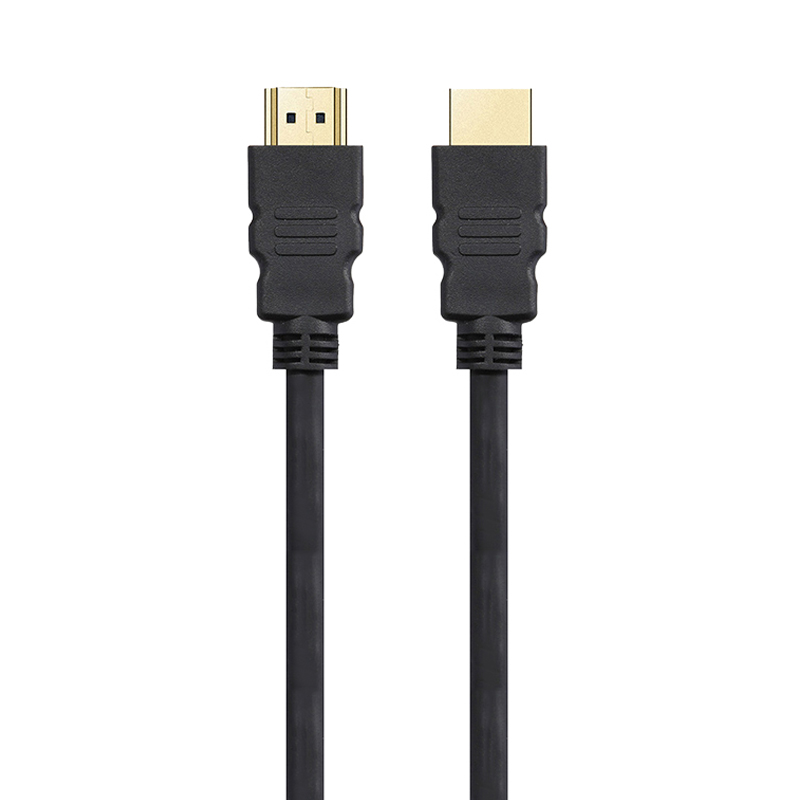 4K HDMI Cable
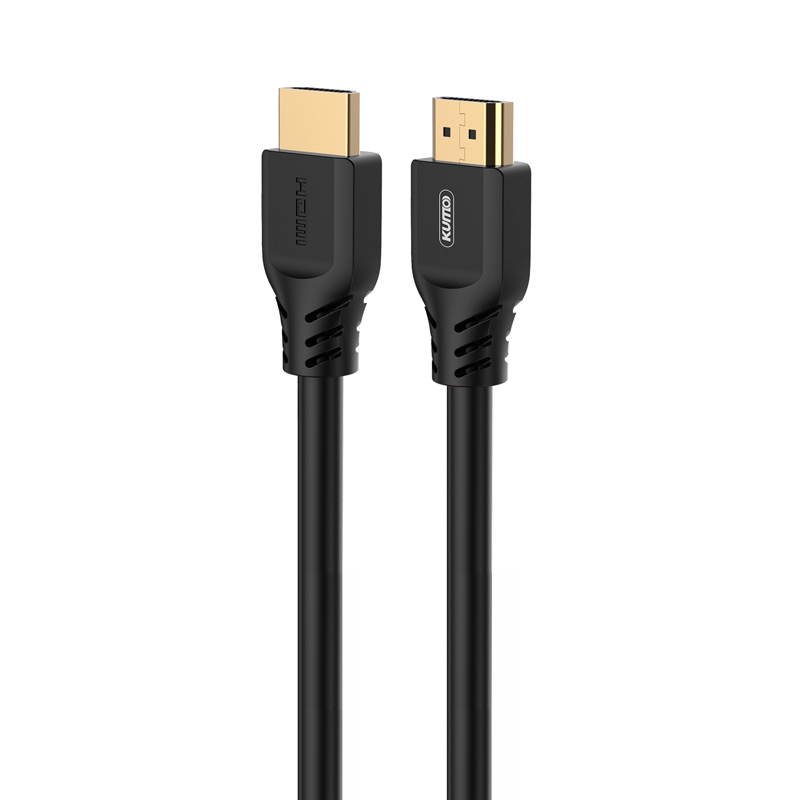 8K HDMI Cable
 16K HDMI Cable
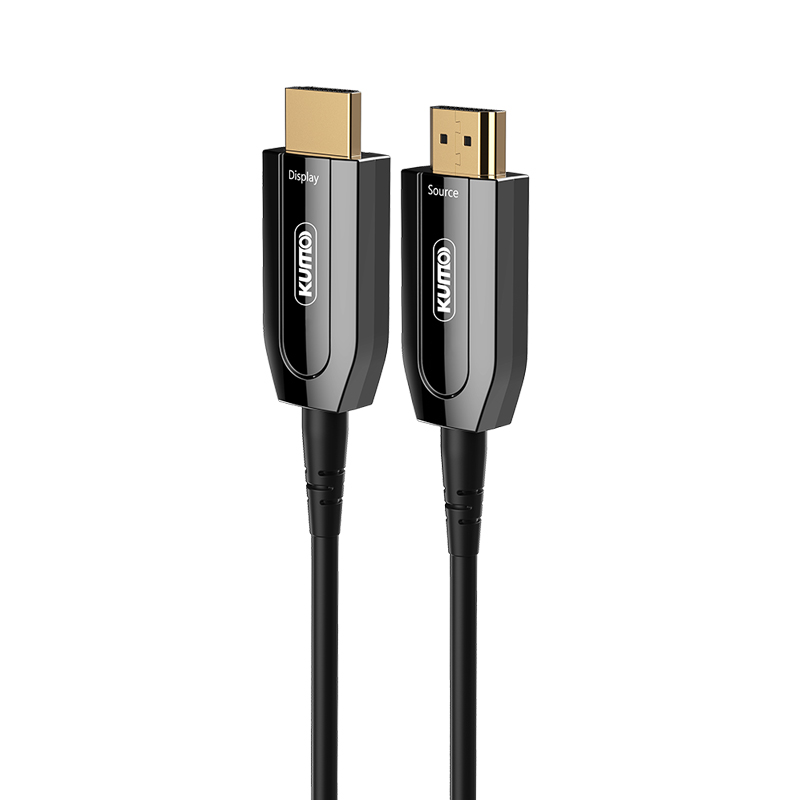 AOC HDMI Cable
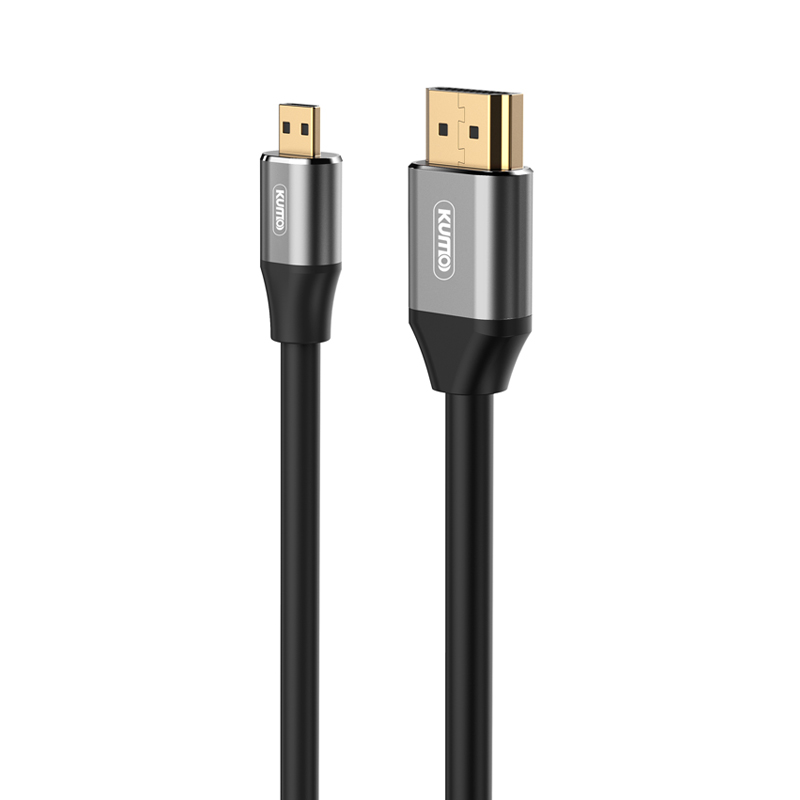 HDMI Conversion Cable
 8K DisplayPort Cable
 16K DisplayPort Cable
 DisplayPort Conversion Cable
 XLR Cable
 VGA Cable
 DVI Cable
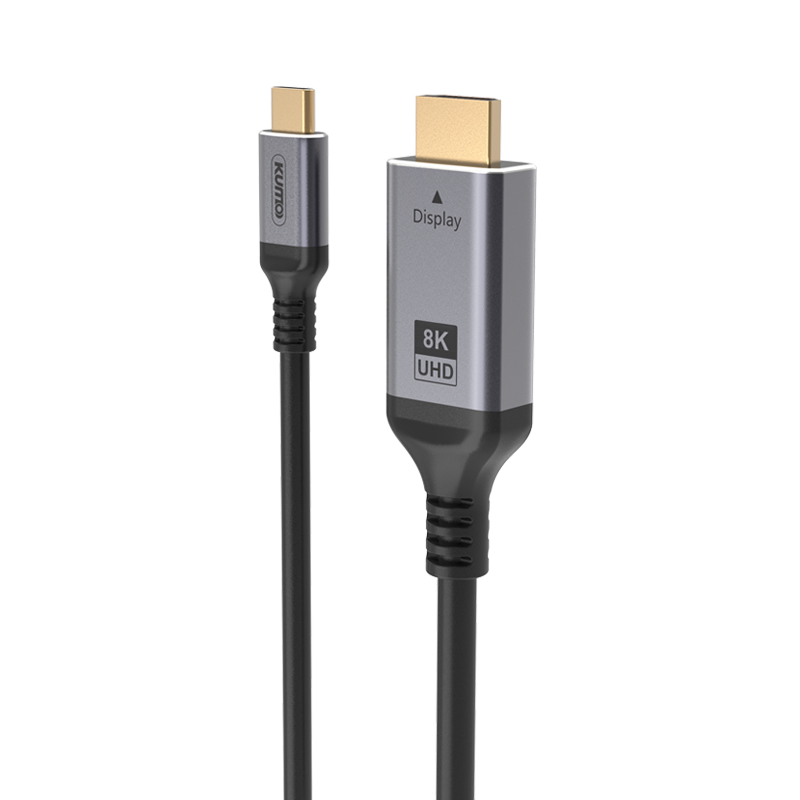 Type C To HDMI
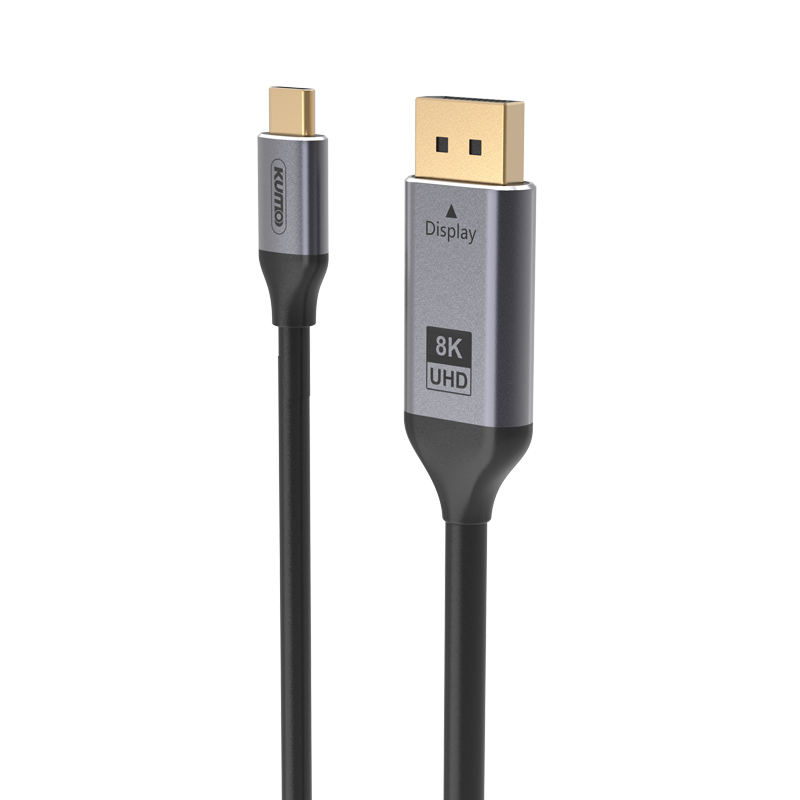 Type C to DP
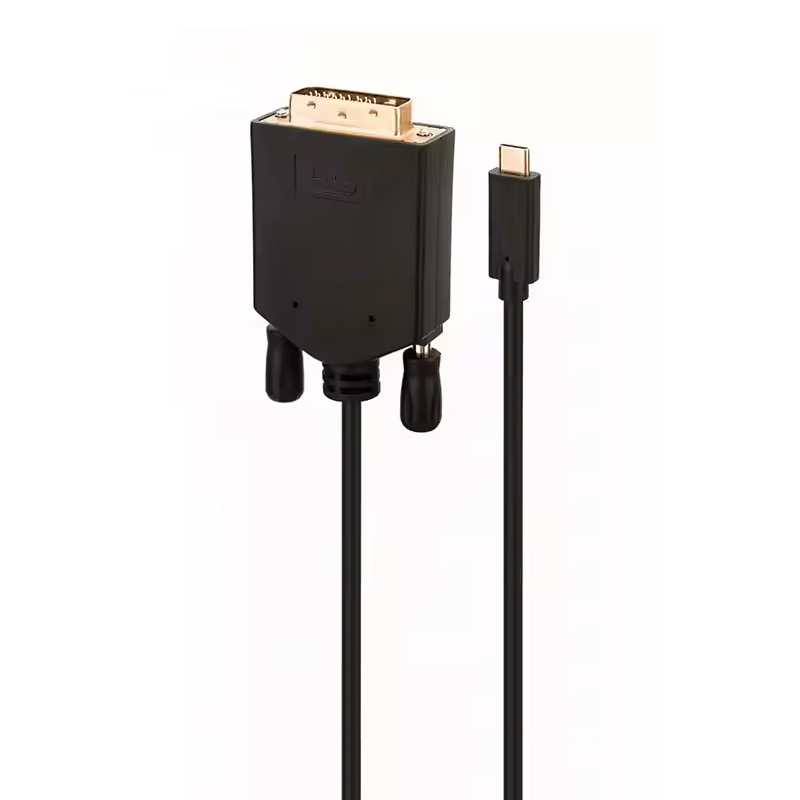 Type C to DVI
 Type C Adapter
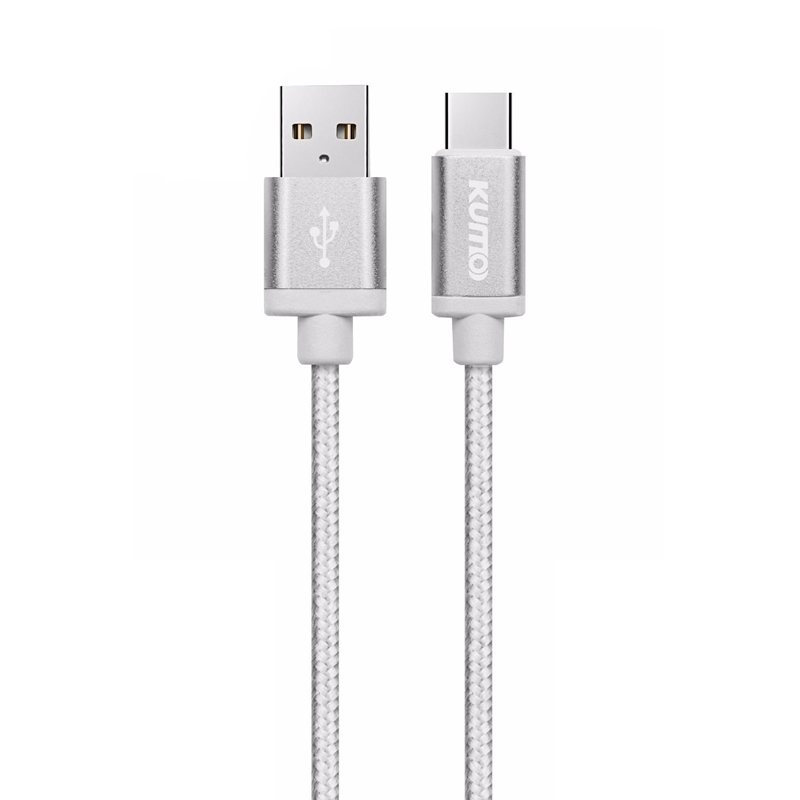 USB A to C Cable
 USB C to C Cable
 Micro USB Cable
 USB4 Cable


