
- Home
- Products
- About Us
- OEM&ODM
- News
- Contact Us
 USB C Docking & Hub
 USB C Docking Station
 USB C Hub-H Series
 USB C Hub-H Series High End
 USB C Hub-X Series High End
 HDMI Cable
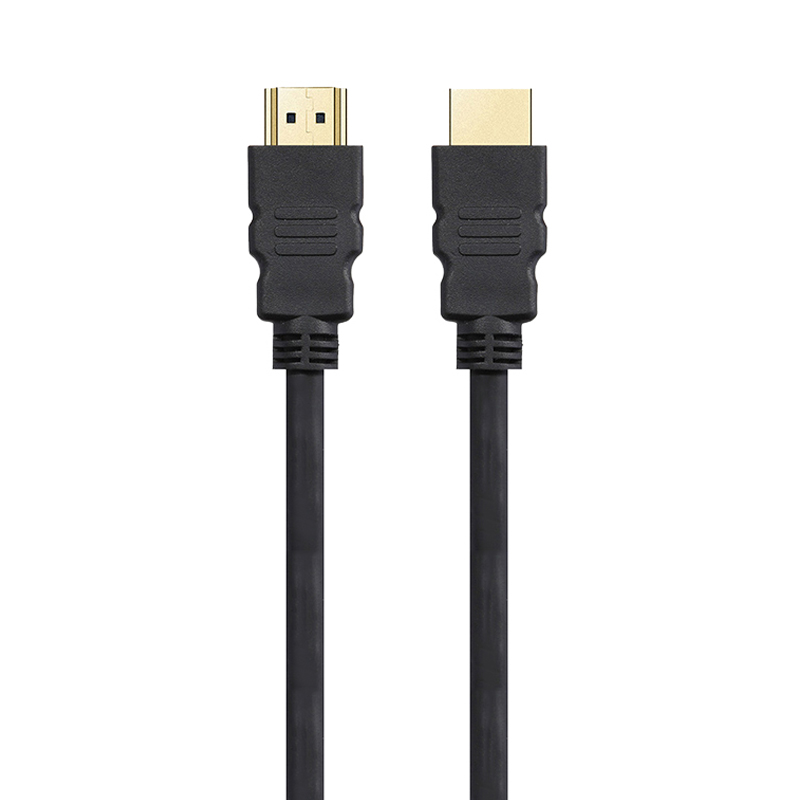 4K HDMI Cable
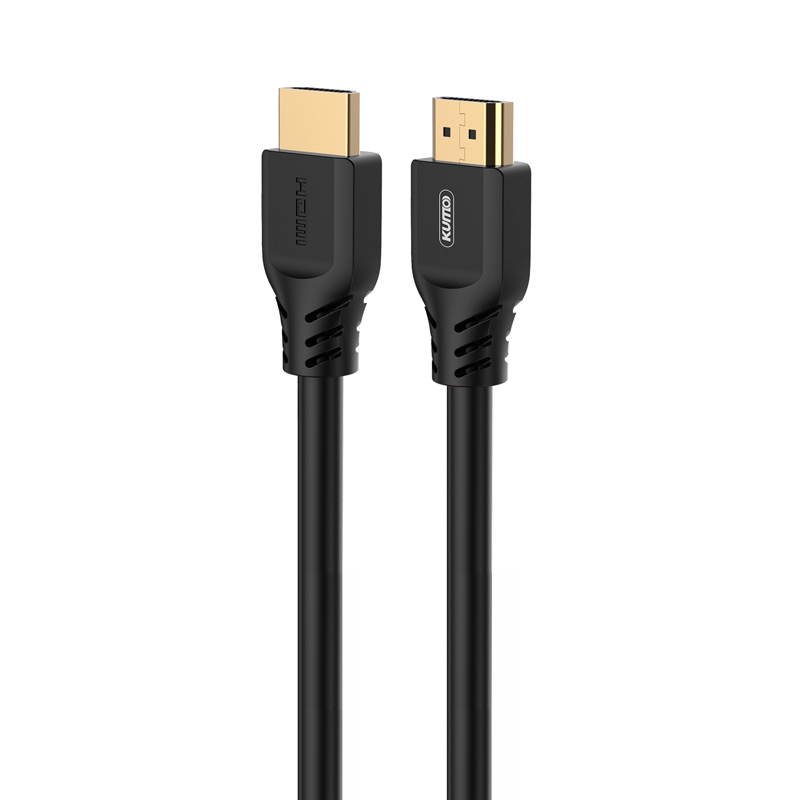 8K HDMI Cable
 16K HDMI Cable
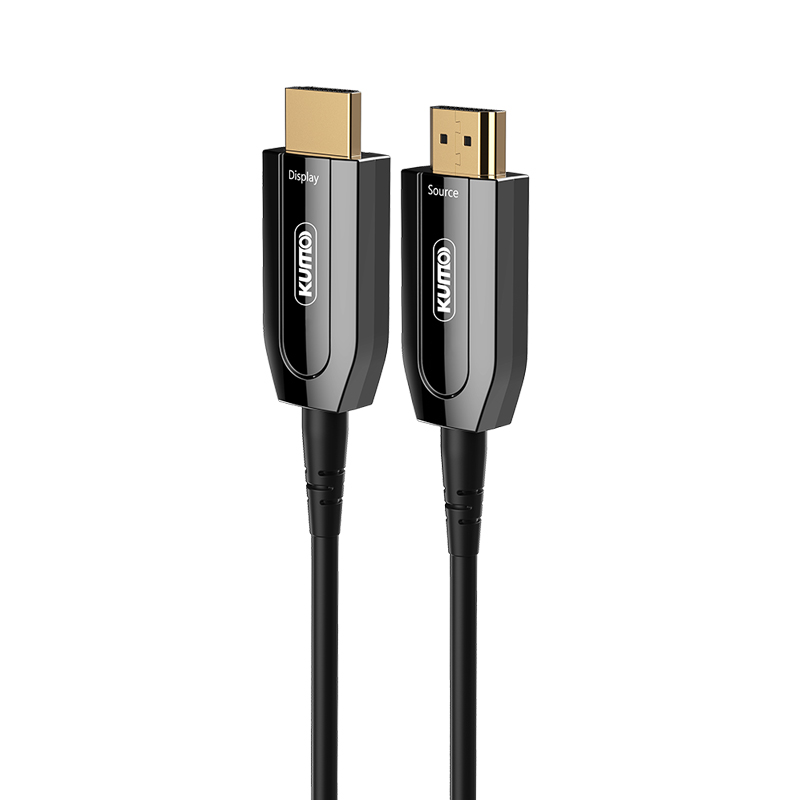 AOC HDMI Cable
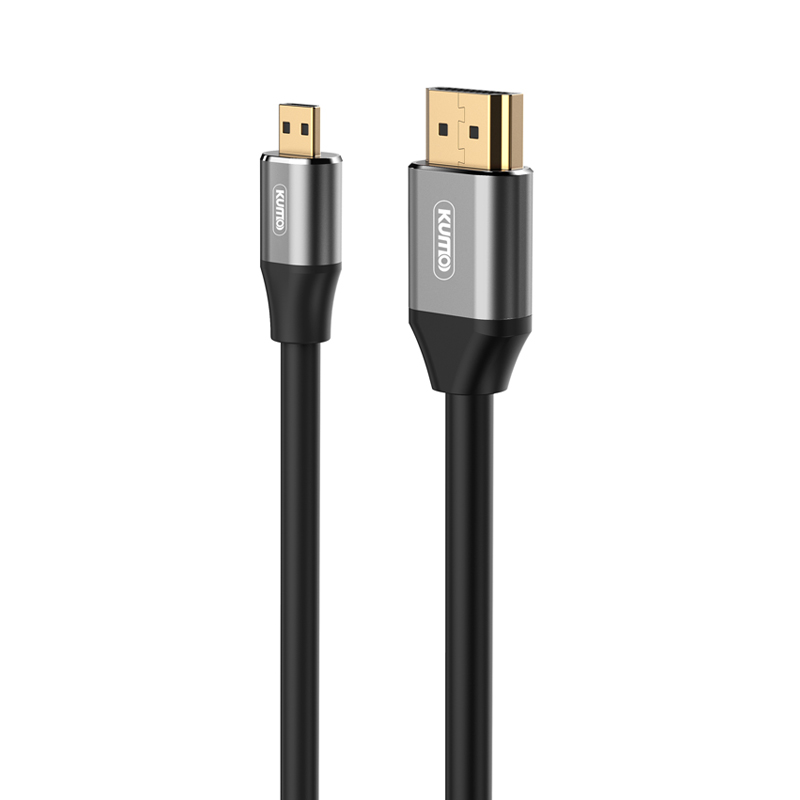 HDMI Conversion Cable
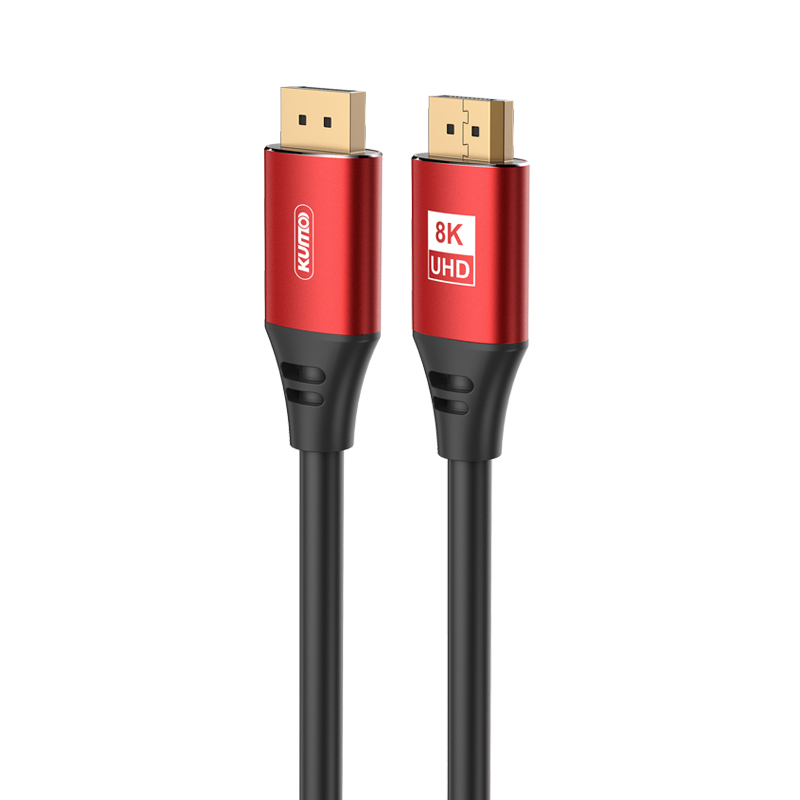 8K DisplayPort Cable
 16K DisplayPort Cable
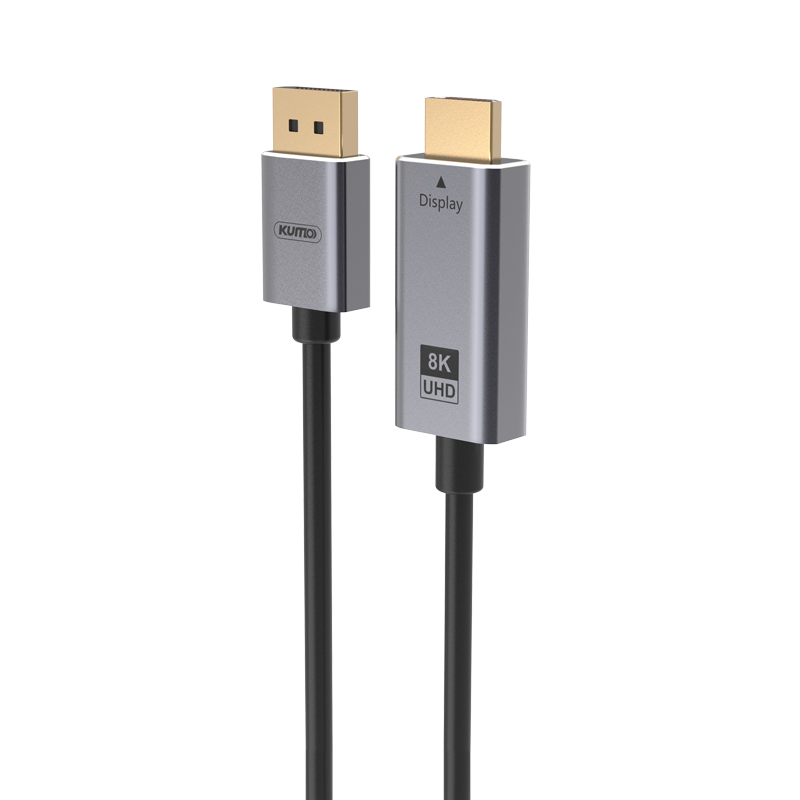 DisplayPort Conversion Cable
 XLR Cable
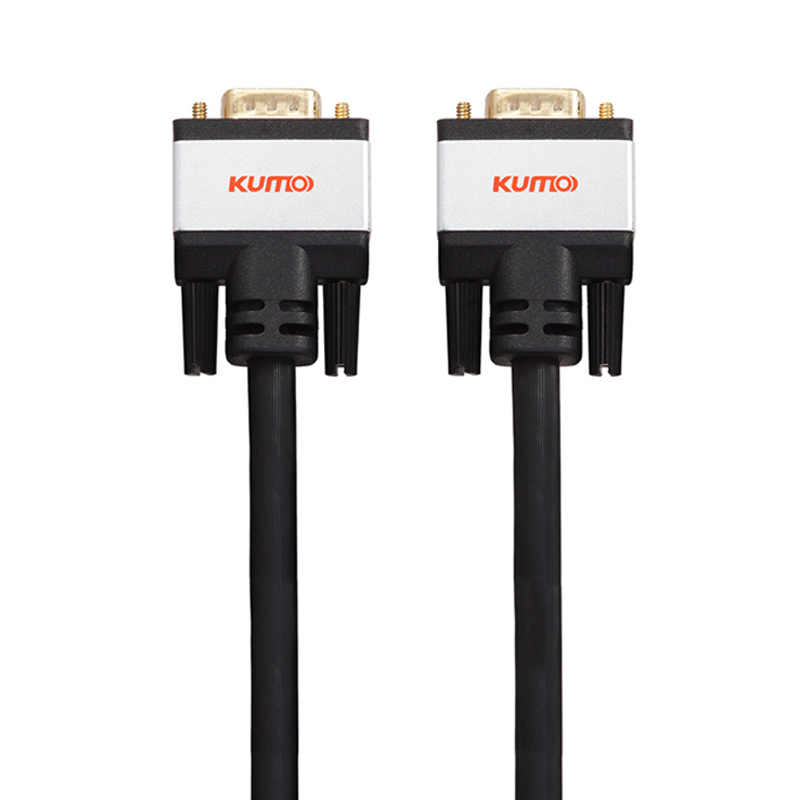 VGA Cable
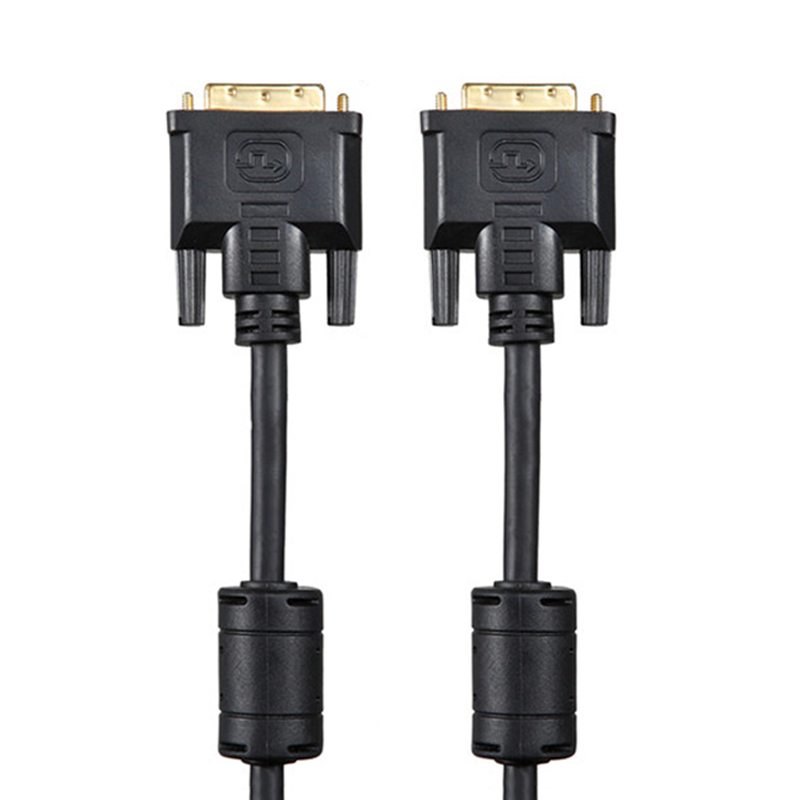 DVI Cable
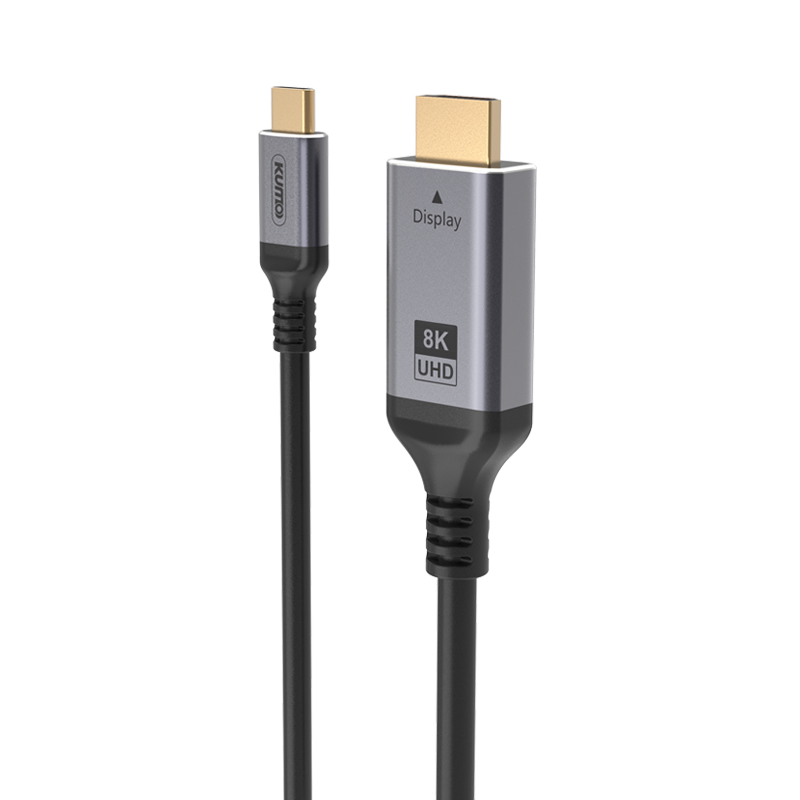 Type C To HDMI
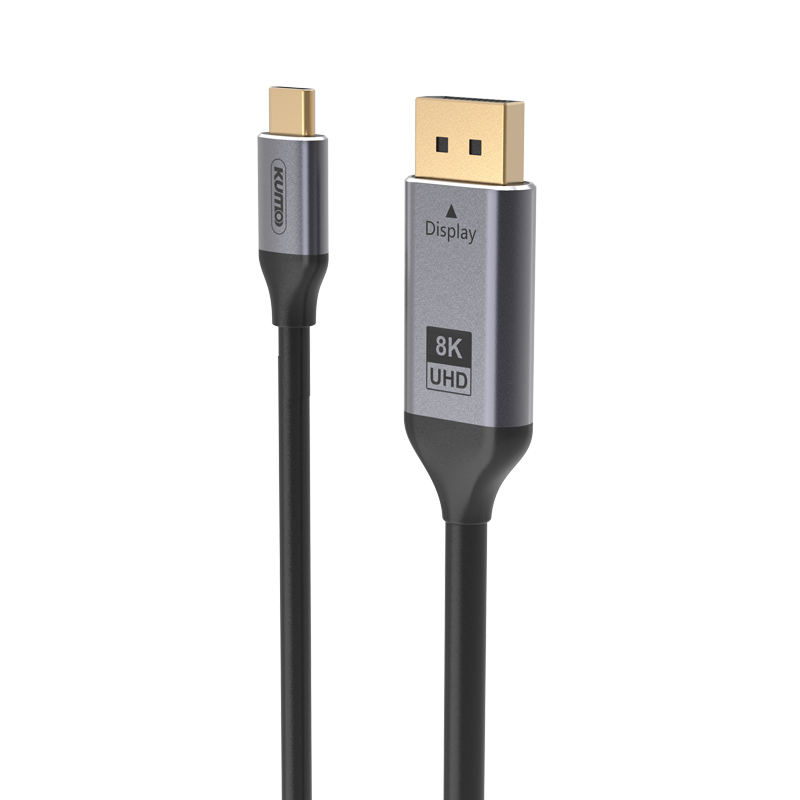 Type C to DP
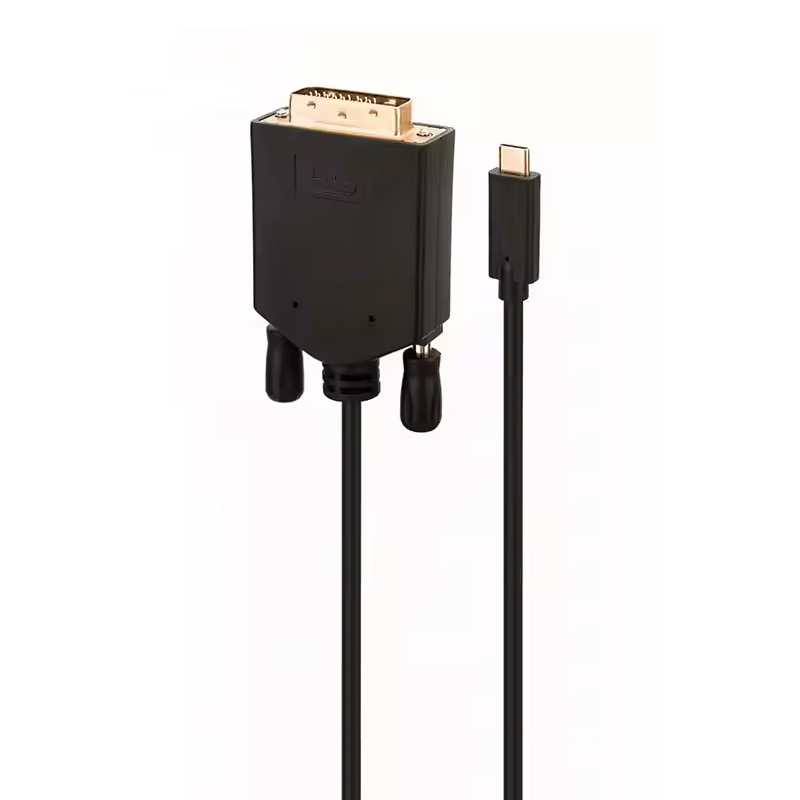 Type C to DVI
 Type C Adapter
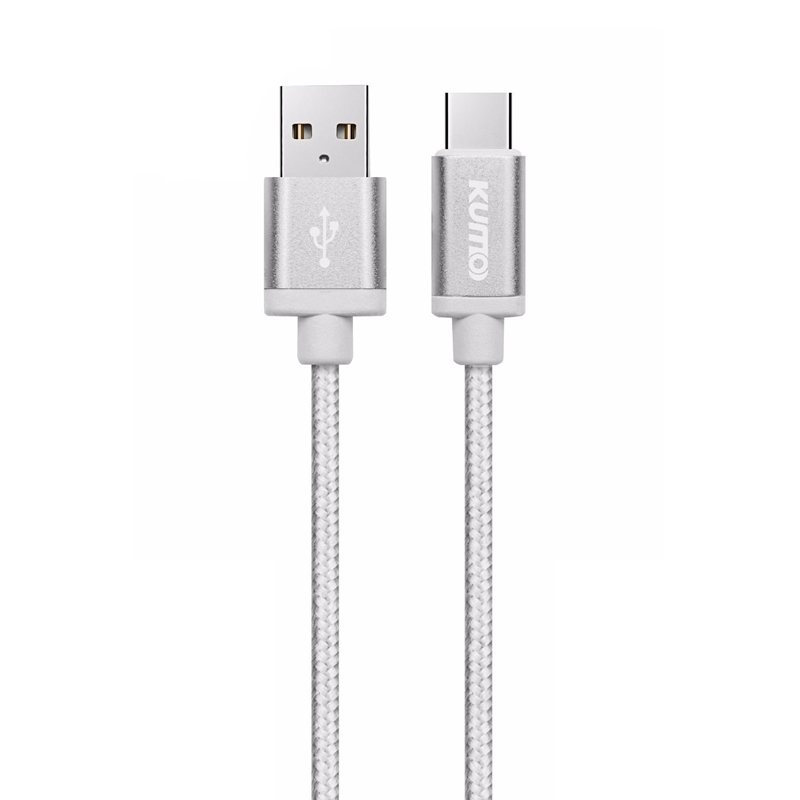 USB A to C Cable
 USB C to C Cable
 Micro USB Cable
 USB4 Cable
Inquiry
Form loading...
You know, with how fast things change in the digital world these days, it’s hard to overemphasize just how crucial reliable connectivity solutions are. I mean, just think about it—more and more devices are out there needing smooth data communication, and because of that, the market for USB hubs is really booming. Industry reports are buzzing about how the global USB hub market could hit around $2.7 billion by 2025! This growth is mostly because there’s a growing need for easy device connectivity, especially in workplaces. One company really leading the charge is Zhongshan Sinseader Electronic Co., Ltd. They’ve been around since 2007 and are all about crafting innovative solutions like their Hub USB To LAN. They put a strong emphasis on research, development, and quality manufacturing, really pushing to give buyers around the world top-notch USB to LAN solutions that boost productivity and connectivity in all sorts of settings. As businesses increasingly depend on solid networking, it looks like the demand for reliable, high-quality USB to LAN hubs is just going to keep climbing, which definitely places Sinseader in a great spot in this growing market!

You know, in today’s fast-paced manufacturing world, having solid connectivity solutions is super important. A recent report from MarketsandMarkets even suggests that the USB to LAN adapter market could hit a whopping $1.4 billion by 2026, growing at a rate of about 7.3% each year. That really shows how much we rely on efficient networking tools like USB to LAN adapters—they help manufacturers link up their devices easily and boost their workflow.
More and more manufacturers are jumping on the USB to LAN bandwagon to improve communication between devices and cut down on lag. The Industrial Internet of Things, or IIoT for short, is really driving this trend. It’s all about bringing in smart devices and sensors into the manufacturing mix. Statista says the IIoT market is on track to reach around $110 billion by 2025, which just goes to show how crucial reliable connectivity is. With USB to LAN solutions, manufacturers can snag stable and speedy internet connections, which are key for real-time data transfer and insights. In the end, this leads to better productivity and less downtime in their operations.

So, let's talk about USB to LAN solutions. When people are out there searching for these products, they really want something that not only fits their specific connectivity needs but also has some solid features. One of the biggest things buyers look for is compatibility with different operating systems. A good USB to LAN adapter should just plug in and work, whether you’re on Windows, macOS, or even Linux. That way, you can get a smooth network experience without any hiccups.
Another important aspect? High-speed data transfer. A solid manufacturing hub knows this and focuses on crafting adapters that deliver impressive bandwidth. It means you can stream videos, game online, and transfer files without the usual lag. And let’s not forget about durability! You want these products to be built tough, using high-quality materials that can take a beating and still perform well over time. For buyers around the world, all these features don’t just make life easier — they’re really an investment in technology that satisfies both personal and professional connectivity needs.
Picking the right manufacturer for USB to LAN solutions isn’t just a walk in the park—there are a few key things you definitely need to keep in mind. So, get this: a recent report from MarketsandMarkets says that the global market for USB to LAN adapters is set to hit a whopping 2 billion dollars by 2025, with a solid growth rate of around 5.2%. That’s a clear sign that there’s a growing need for reliable connectivity, which is why finding a manufacturer who can deliver on quality and innovation is super important.
First off, you really want to consider how long the manufacturer has been in the game and their reputation. A company that’s been around for a while usually has its quality control down to a science and knows how to keep customers happy. Plus, you should really check out their production capabilities to make sure they’re using modern technology and following international standards like ISO 9001. According to some data from Statista, manufacturers who meet these standards are actually 30% more likely to have shorter lead times and fewer defects—definitely something to think about!
And let’s not forget about the supply chain. A survey from Deloitte found that companies with solid supply chain management can cut their costs by up to 15%. So, if you choose a supplier with a strong logistics network, it can really make a big difference in delivery times and how flexibly they can respond to changes in demand. By focusing on these key points, global buyers can set themselves up for a reliable partnership that truly meets their needs in the USB to LAN space.

You know, when it comes to tech manufacturing, especially with something as specific as USB to LAN devices, quality really can’t be an afterthought. It’s huge! Factories that churn out these products take quality assurance seriously—like, they go all out to make sure everything works perfectly. They have all these checks in place at every step of making the product, from picking the right materials to the final tests before anything leaves the factory. Plus, they’re using cool technology like automated inspection systems to spot any flaws early on. It’s all about keeping those high standards up while they’re working through the production line.
**Pro tip:** If you’re on the hunt for a factory, definitely ask about how they ensure quality. A solid manufacturer should be open about their testing processes and certifications because that builds trust and guarantees you’re getting a reliable product.
And you know what else? A lot of these factories create feedback loops. That means they actually take data from their post-production reviews and use it to fine-tune their processes. This kind of dedication to getting better often results in products that are not just good but really durable and efficient. Manufacturers that make quality a priority can provide global buyers with devices that not only meet expectations but really blow them out of the water.
**Another tip:** Always check if a manufacturer is ISO-certified. That’s a clear sign they stick to international quality management standards, which only adds to the confidence that their products are reliable.
You know, the whole USB to LAN tech scene is really evolving right now, and it's mostly because everyone's looking for super reliable connections across different fields. So here’s something interesting: a recent report from MarketsandMarkets suggests that the global market for USB to LAN adapters is expected to jump from around $250 million in 2022 to an impressive $400 million by 2027—that’s a compound annual growth rate of about 10.1%! Pretty wild, right? This growth really comes from more people working remotely and the increased need for stable wired connections, especially in places where digital transformation is just kicking off.
These days, both businesses and everyday folks want fast internet access, which has shifted our focus towards efficient, high-performance USB to LAN solutions. Oh, and did you know that a survey by Allied Market Research found that almost 70% of IT pros prefer wired connections? They really value the stability and speed. Plus, with tech advancements like USB 3.0 and beyond, data transfer rates have shot up, and latency has dropped. It’s clear that these adapters are no longer just a nice-to-have; they’re becoming essentials in our data-driven lives. And let’s not forget, the solid manufacturing capabilities in factory hubs are crucial for keeping up with this rising demand, ensuring that buyers around the globe get the quality solutions they’re after.
You know, there’s really been a surge in the demand for solid USB to LAN solutions lately, and you can see it in the case studies that highlight some pretty cool partnerships in the supply chain. A recent report from Mordor Intelligence even predicts that the global market for USB to LAN adapters is going to grow at an impressive 12.4% yearly from 2021 to 2026! It’s all about that increasing need for stable and efficient internet connectivity across various industries, right? Manufacturers that have strong supply chains are not just keeping up with this demand; they’re also gaining a competitive edge by focusing on product reliability and quality.
One interesting partnership worth mentioning features a top-notch USB hardware provider teaming up with a fast-growing e-commerce platform. By working closely together to refine their production processes and improve logistics, they managed to cut down lead times by a whopping 30%, as pointed out in their quarterly performance reviews. This approach not only strengthened their market presence but also made them way more responsive to shifting consumer preferences, which is super important in an industry where technology moves at lightning speed. These sorts of collaborations really show how strong partnerships can create win-win situations for both manufacturers and global buyers.
N solutions?
A company with several years in operation typically has established quality control processes and customer service protocols that enhance overall service quality.
Manufacturers should adhere to international standards like ISO 9001, which indicates they are more likely to have shorter lead times and lower defect rates.
A robust supply chain can reduce costs by up to 15% and significantly affect delivery times and responsiveness to demand shifts.
The increasing demand for reliable wired connections, especially due to the rise of remote work and digital transformation, is driving market growth.
Developments such as USB 3.0 and beyond have improved data transfer rates and reduced latency, making USB to LAN adapters a necessity for stable connectivity.
Nearly 70% of IT professionals prefer wired connections due to their stability and speed compared to wireless alternatives.
Strong partnerships can streamline production processes and logistics, leading to reduced lead times and improved competitiveness in the market.
The market is projected to grow from USD 250 million in 2022 to USD 400 million by 2027, reflecting a CAGR of 10.1%.
Such collaborations create efficiencies, enhance product reliability, and allow for a better response to changing consumer preferences, benefiting both parties involved.


